White Labrador Retriever
America's favorite family retriever: outgoing, athletic, gentle-tempered, and highly trainable.
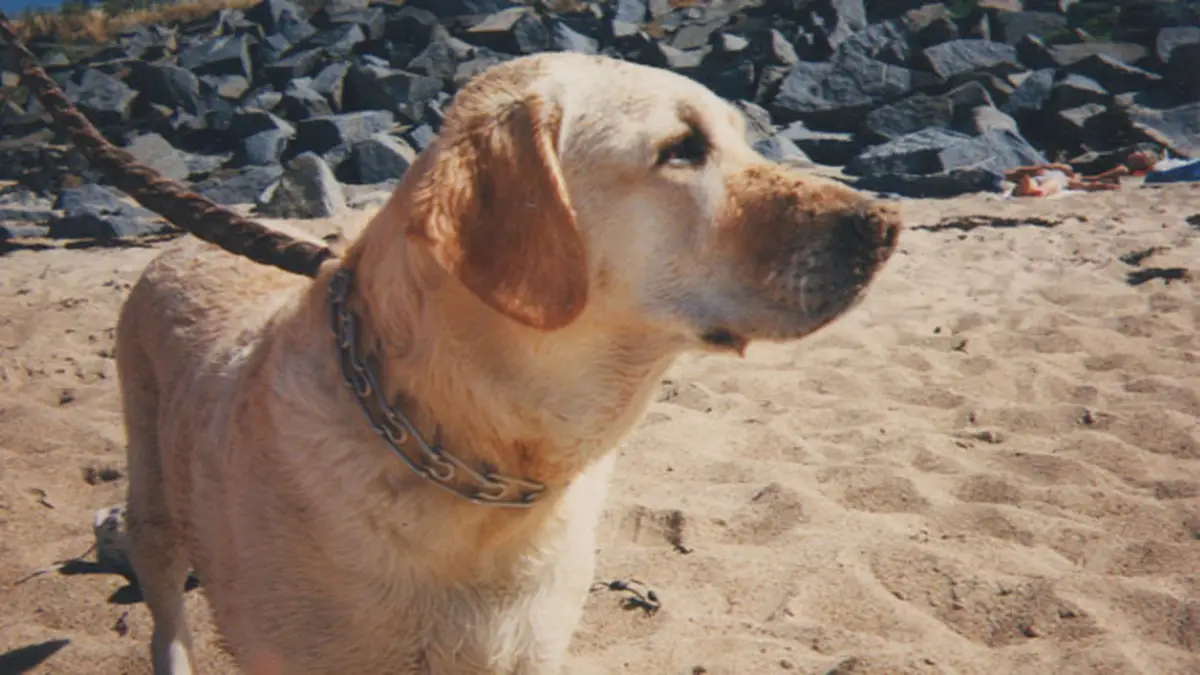
White Labrador Retriever Fast Clinical Specifications
Adult Weight
Standing Height
Ideal Crate Size
Average Lifespan
Daily Calories
Activity Level
White Labrador Retriever Temperament & Behavioral Profile
Renowned for their friendly, eager-to-please nature. Highly social pack animals that integrate seamlessly with children and other pets.
Affection with Family
Exceptionally devoted and human-focused.
Trainability & Focus
Top-tier intelligence; excels in obedience, retrieving, and service.
Energy & Drive
Athletic working drive requiring daily mental and physical stimulation.
Watchdog Instinct
Low guarding drive; welcomes strangers warmly.
Family & Home Compatibility
Outstanding with children of all ages and other pets. Their enthusiasm requires early impulse control training around toddlers. Welcoming a new puppy? Explore our curated Dog Name Generator for inspiration.
Training & Daily Management
Use positive reinforcement retriever games and food puzzles. Early leash manners are vital before they reach 70+ lbs. Calibrate life-stage discipline and cognitive aging using the AVMA Dog Age Calculator.
White Labrador Retriever Colors, Patterns & Coat Types
Inheritance governed by the B (Black/Chocolate) and E (Extension/Yellow) epistatic gene loci. Coat texture: Dense, short, water-resistant double coat with coarse guard hairs.
Black
Dominant B_E_ genotype; traditional historic working coat.
Yellow
Homozygous recessive ee genotype, ranging from Fox Red to English Cream.
Chocolate
Homozygous recessive bbE_ genotype; rich liver to deep chocolate.
Clinical Genetics & Coat Health Notice
Chocolate Labradors have an empirically documented median lifespan ~10% shorter than black/yellow counterparts according to UK VetCompass studies.
White Labrador Retriever Puppy Development Timeline
Consistent nutritional checkpoints ensure proper skeletal and muscle growth.
8 Weeks Checkpoint
Initial core vaccines and gradual transition to large-breed puppy formula.
16 Weeks Checkpoint
Begin basic recall and retriever impulse control; monitor growth plates.
6 Months Checkpoint
Reached roughly 65-70% of adult body weight; transition out of high jumping.
Adult Benchmark
Physiological skeletal maturity; safe to perform OFA clearance radiographs.
English (Bench) vs. American (Field) Classifications
While bench and field lines share the same breed standard, field lines are frequently leaner and taller, whereas bench lines carry heavier bone and broader muzzles.
Interactive Veterinary Calculators for White Labrador Retrievers
Run customized formulas calibrated specifically for White Labrador Retriever biological benchmarks, weight curves, and life stages.
Labrador Retriever Human Age Calculator
Calculate exact biological human age with AVMA dog life-stage scaling.
Labrador Retriever Ergonomic Sizing Matcher
Determine exact dimensions to promote healthy posture and comfortable den rest.
Labrador Retriever Weight & Calorie Predictor
Estimate adult weight curve and WSAVA daily caloric baseline for optimal body condition.
Emergency Toxicity Triage
Calculate immediate dosage triage if hazardous household toxins or plants are ingested.
Hereditary Health & Clinical Watchlist
Canine Hip & Elbow Dysplasia
Abnormal joint development leading to degenerative arthritis.
Screen parents via OFA/PennHIP before breeding; maintain lean BCS 4-5/9.
Exercise-Induced Collapse (EIC)
Autosomal recessive mutation in DNM1 gene causing collapse during strenuous exertion.
DNA test breeding stock; avoid intensive ball retrieval in warm weather.
Progressive Retinal Atrophy (prcd-PRA)
Bilateral photoreceptor degeneration leading to progressive blindness.
Annual veterinary ophthalmic screening (CERF/CAER exams).
Portion Control & Nutrition Notes
Labradors possess a genetic mutation in the POMC gene associated with constant appetite and obesity predisposition. Strictly weigh meals using a gram scale and avoid free-feeding. To calculate safe treat limits and avoid toxic snacks, use the Emergency Chocolate Toxicity Triage Tool.
Fascinating & Verified White Labrador Retriever Facts
Surprising anatomical, historical, and behavioral traits confirmed by veterinary researchers and breed historians.
Webbed Paws & Otter Tail
Labradors possess anatomical webbing between their toes and an exceptionally powerful cylindrical tail that functions as a hydrodynamic rudder.
Soft Mouth Mastery
Bred to carry game without puncturing skin, a well-trained Labrador can hold an uncooked egg in its jaws without cracking it.
POMC Food Gene Mutation
Roughly 25% of Labradors carry a POMC gene deletion that disrupts brain satiation signaling, explaining their insatiable food drive.
White Labrador Retriever Origin & Historical Evolution
Bred originally in Newfoundland from the St. John's Water Dog to retrieve fishermen's nets and duck game in freezing Atlantic surf.
St. John's Water Dog Roots
Fishermen in Newfoundland bred cold-water swimming dogs with otter-like water-shedding tails.
British Nobility Patronage
Earl of Malmesbury imported the dogs to Dorset, England, refining them into specialized waterfowl retrievers.
AKC Official Recognition
Formally admitted to the AKC Stud Book, becoming the #1 most registered breed in US history for over 30 years.