Turkish Angora cat
Elegant Turkish Angora cat feline companion: celebrated for gentle disposition, distinct coat genetics, and affectionate household presence.
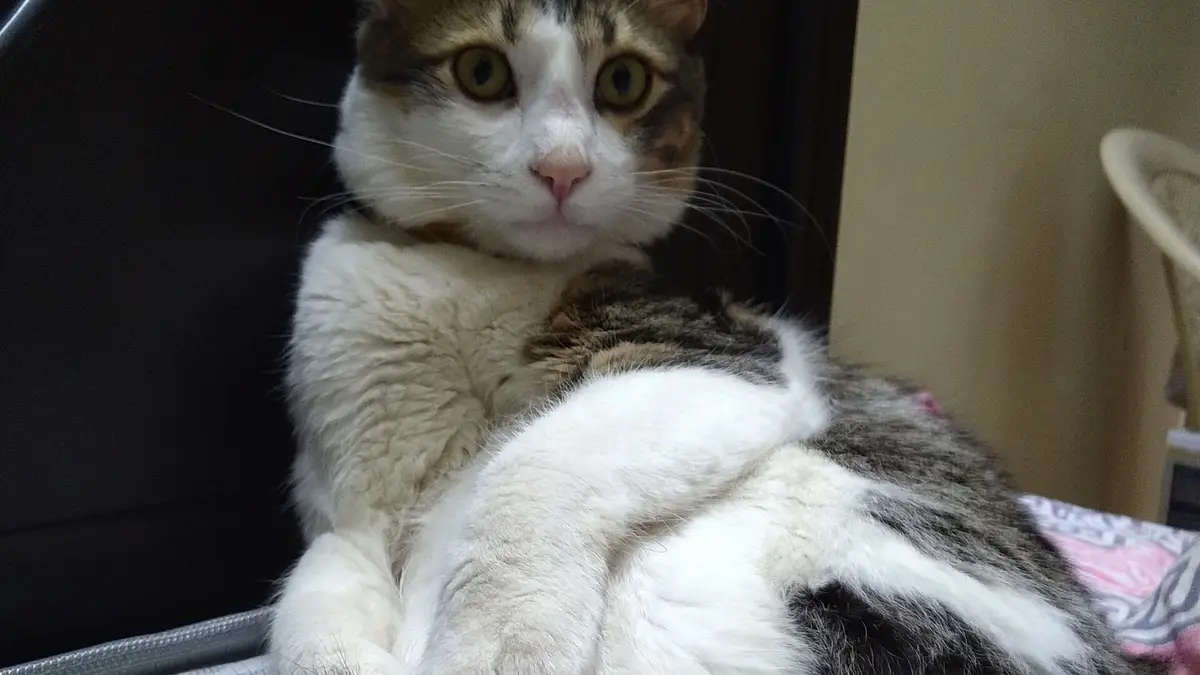
Turkish Angora cat Fast Clinical Specifications
Adult Weight
Body Length
Litter Box Sizing
Average Lifespan
Daily Calories
Coat Care
Turkish Angora cat Temperament & Behavioral Profile
The Turkish Angora cat exhibits a loyal, engaging temperament. They thrive on companionship, mental engagement, and consistent human interaction.
Affection with Family
Loving, devoted, and enjoys close physical companionship.
Trainability & Focus
Quick learner that responds enthusiastically to positive reinforcement.
Energy & Playfulness
Active and playful, keeping owners entertained and active.
Sociability with Pets
Generally welcoming when properly socialized from young age.
Family & Home Compatibility
Well-suited to dedicated pet parents and families who include them in daily household life and outdoor adventures. Bringing home a kitten? Browse our curated Cat Name Generator for fitting names.
Training & Daily Management
Use high-value rewards, short 5-minute training intervals, and praise. Consistency and calm leadership foster rapid learning. Calibrate life-stage discipline and cognitive aging using the AAFP Cat Age Calculator.
Turkish Angora cat Colors, Patterns & Coat Types
Coat expression in the Turkish Angora cat is determined by primary canine/feline melanin loci (Eumelanin black/brown and Pheomelanin red/yellow). Coat texture: Soft, plush single or semi-double feline coat.
Standard Coat
The classic historical color phenotype recognized in conformation rings.
Dark Shade Variant
Deep pigment expression with high eumelanin density.
Marked / Pattern Variant
Distinctive coat spotting, piebald, or striping pattern.
Clinical Genetics & Coat Health Notice
Standard coat color variations carry no health detriments; avoid extreme inbreeding for rare color mutations.
Turkish Angora cat Kitten Development Timeline
Consistent nutritional checkpoints ensure proper skeletal and muscle growth.
8 Weeks Checkpoint
Initial veterinary wellness examination, core vaccines, and crate familiarization.
16 Weeks Checkpoint
Teething stage; introduce positive obedience foundations and leash manners.
6 Months Checkpoint
Adolescent transition; transition to adult exercise routines gradually.
Adult Benchmark
Physiological adult skeletal maturity; schedule baseline adult veterinary bloodwork.
Authentic Breed Proportions
Beware of third-party breeders advertising 'teacup', 'micro', or 'giant' lines. Unregulated size extremes correlate with organ hypoplasia and orthopedic malformations.
Interactive Veterinary Calculators for Turkish Angora cats
Run customized formulas calibrated specifically for Turkish Angora cat biological benchmarks, weight curves, and life stages.
Turkish Angora cat Human Age Calculator
Calculate biological human age with AVMA cat developmental scaling.
Turkish Angora cat Ergonomic Sizing Tool
Determine exact dimensions to promote secure den resting instincts and healthy spine posture.
Turkish Angora cat Caloric & Weight Tracker
Estimate adult weight curve from pediatric growth checkpoints based on WSAVA nutrition standards.
Emergency Toxicity Triage
Emergency toxicity calculator if hazardous household foods, plants, or toxins are accidentally ingested.
Hereditary Health & Clinical Watchlist
Hypertrophic Cardiomyopathy (HCM)
Idiopathic thickening of left ventricular myocardium affecting cardiac filling pressures.
Annual screening echocardiogram by board-certified veterinary cardiologist.
Polycystic Kidney Disease (PKD)
Autosomal dominant inherited mutation leading to renal cyst enlargement and chronic kidney disease.
DNA gene screening or abdominal ultrasound before breeding.
Food Sensitivity & Dermatitis
Cutaneous adverse food reactions manifesting as pruritus, ear canal erythema, and paw chewing.
Conduct structured 8-week veterinary elimination trial with a hydrolyzed protein diet.
Portion Control & Nutrition Notes
Feed Turkish Angora cat a nutritionally complete diet formulated to meet AAFCO and WSAVA canine/feline nutrient profiles for their specific life stage. Weigh all dry portions on a gram kitchen scale rather than relying on volume measuring cups to prevent caloric overfeeding and joint-damaging obesity. To balance canned moisture against dry food calories, launch the WSAVA Wet & Dry Calorie Splitter.
Fascinating & Verified Turkish Angora cat Facts
Surprising anatomical, historical, and behavioral traits confirmed by veterinary researchers and breed historians.
Devoted Companion Bond
Known for forming deep empathetic attachments with their primary family handlers.
Exceptional Senses
Possesses acute sensory perception and alert awareness of their surrounding household environment.
High Enrichment Drive
Thrives when provided with structured mental enrichment and interactive problem-solving toys.
Turkish Angora cat Origin & Historical Evolution
The Turkish Angora cat has an established lineage developed through selective breeding for working utility, hunting excellence, and dedicated companionship.
Early Regional Development
Bred selectively by dedicated regional breeders for specialized utility and temperament.
Official Kennel Club Recognition
Formal conformation standards documented and accepted into international registries.
Global Family Companion
Celebrated worldwide for loyal disposition, working capability, and loving companionship.