Old German Shepherd dog
Noble, loyal, and extraordinarily versatile working canine: revered as the ultimate protector, service, and police dog.
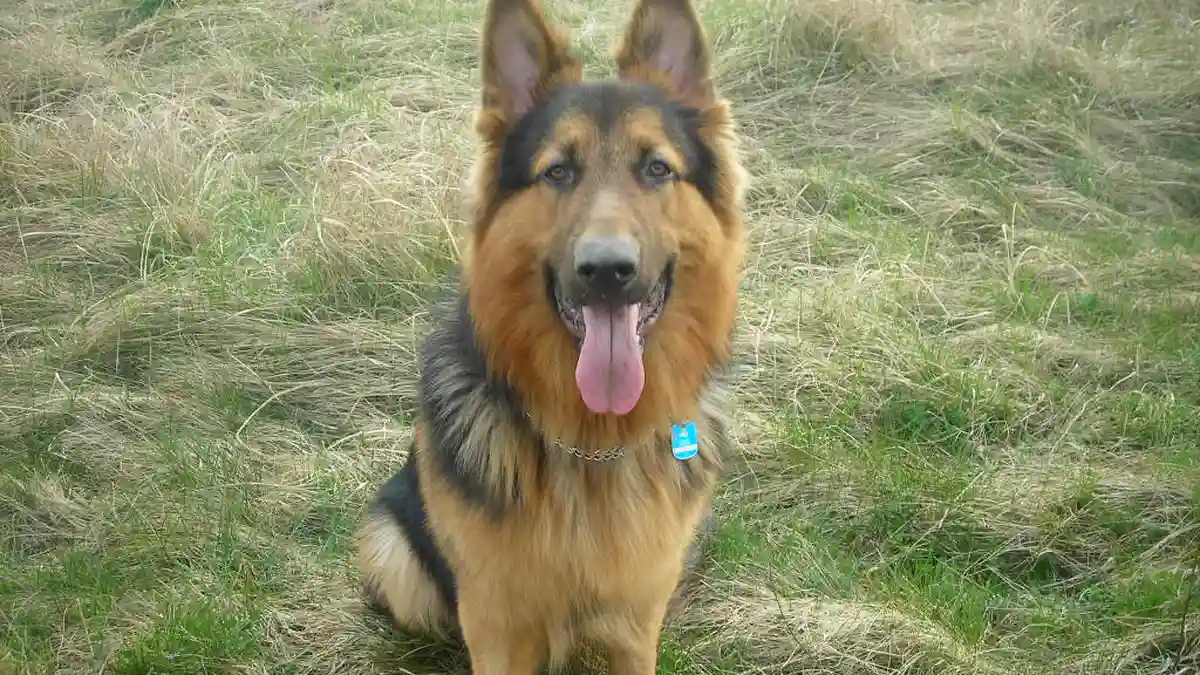
Old German Shepherd dog Fast Clinical Specifications
Adult Weight
Standing Height
Ideal Crate Size
Average Lifespan
Daily Calories
Activity Level
Old German Shepherd dog Temperament & Behavioral Profile
Aloof with strangers, fearless, exceptionally intelligent, and devoted to their handlers. They require a confident owner who provides calm leadership.
Loyalty & Devotion
Forms an unbreakable bond with primary handler.
Watchdog & Protection
Natural territorial and personal protection instinct.
Intelligence & Drive
Learns complex multi-step commands rapidly.
Need for Mental Work
Requires structured jobs to prevent boredom.
Family & Home Compatibility
Ideal for active, experienced owners who can provide daily mental engagement and leadership. Welcoming a new puppy? Explore our curated Dog Name Generator for inspiration.
Training & Daily Management
Focus heavily on early neutral socialization with people and other dogs to channel guardian instincts constructively. Calibrate life-stage discipline and cognitive aging using the AVMA Dog Age Calculator.
Old German Shepherd dog Colors, Patterns & Coat Types
Controlled by the Agouti (a) and Extension (E) series, creating rich saddle, sable, and solid phenotypes. Coat texture: Medium double coat with straight, harsh outer hair and dense undercoat.
Black & Tan
Classic saddle pattern with black mantle and rich tan legs.
Sable / Agouti
Banded hairs with black tips; the predominant color of working lines.
Solid Black
Recessive black (aa) mutation; sleek midnight coat.
Clinical Genetics & Coat Health Notice
White German Shepherds carry an autosomal recessive gene; recognized as a distinct breed (Berger Blanc Suisse) in Europe.
Old German Shepherd dog Puppy Development Timeline
Consistent nutritional checkpoints ensure proper skeletal and muscle growth.
8 Weeks Checkpoint
Start crate routine and bite inhibition; feed large breed puppy kibble.
16 Weeks Checkpoint
Teething stage; ears may fluctuate between standing and floppy.
6 Months Checkpoint
Adolescent phase begins; reinforce boundary obedience and loose-leash walking.
Adult Benchmark
Skeletal plates fused; evaluate OFA hip and elbow certifications.
King Shepherd / Shiloh Shepherd Distinctions
Oversized 'King Shepherds' weighing over 100 lbs are distinct outcross creations not recognized by the AKC parent club.
Interactive Veterinary Calculators for Old German Shepherd dogs
Run customized formulas calibrated specifically for Old German Shepherd dog biological benchmarks, weight curves, and life stages.
German Shepherd Human Age Calculator
Calculate exact biological human age with AVMA dog life-stage scaling.
German Shepherd Ergonomic Sizing Matcher
Determine exact dimensions to promote healthy posture and comfortable den rest.
German Shepherd Weight & Calorie Predictor
Estimate adult weight curve and WSAVA daily caloric baseline for optimal body condition.
Emergency Toxicity Triage
Calculate immediate dosage triage if hazardous household toxins or plants are ingested.
Hereditary Health & Clinical Watchlist
Degenerative Myelopathy (DM)
Fatal neurodegenerative spinal cord disorder caused by SOD1 mutation resulting in progressive hindlimb paralysis.
DNA screen breeding parents; physical rehabilitation for affected dogs.
Gastric Dilatation-Volvulus (GDV / Bloat)
Deep-chested anatomy allows stomach to distend and twist on its mesenteric axis.
Discuss preventive laparoscopic gastropexy with your veterinarian.
Exocrine Pancreatic Insufficiency (EPI)
Atrophy of acinar cells causing failure to digest food and severe weight loss.
Lifelong pancreatic enzyme replacement therapy (cTLI blood test).
Portion Control & Nutrition Notes
German Shepherds have sensitive digestive tracts. Avoid sudden dietary transitions and limit post-meal strenuous running for at least 60 minutes to reduce GDV bloat risk. To calculate safe treat limits and avoid toxic snacks, use the Emergency Chocolate Toxicity Triage Tool.
Fascinating & Verified Old German Shepherd dog Facts
Surprising anatomical, historical, and behavioral traits confirmed by veterinary researchers and breed historians.
Horand von Grafrath: Breed Father
All purebred German Shepherds trace their lineage directly back to Horand von Grafrath in 1899.
Bite Force Power
A full-grown German Shepherd possesses a bite force estimated at over 238 PSI.
Military Working Dog (MWD)
German Shepherds and Belgian Malinois make up the vast majority of military patrol dogs.
Old German Shepherd dog Origin & Historical Evolution
Standardized in 1899 by Captain Max von Stephanitz from indigenous German herding varieties, emphasizing working utility.
Von Stephanitz Standardization
Captain Max von Stephanitz bought 'Hektor Linksrhein', creating the SV registry.
WWI Service
Served as trench messengers and sentry guards in WWI, astounding Allied troops with their courage.
Hollywood Stardom
Rin Tin Tin popularized the breed globally, demonstrating their remarkable Hollywood acting trainability.